Excavation and Earthworks in Canberra
Good concrete starts below the surface. We cut, level and prepare Canberra blocks so a slab or driveway sits on ground that will hold, from a flat suburban lot to a sloping block that needs a proper cut and fill before anything is poured.
What earthworks are and where they are needed
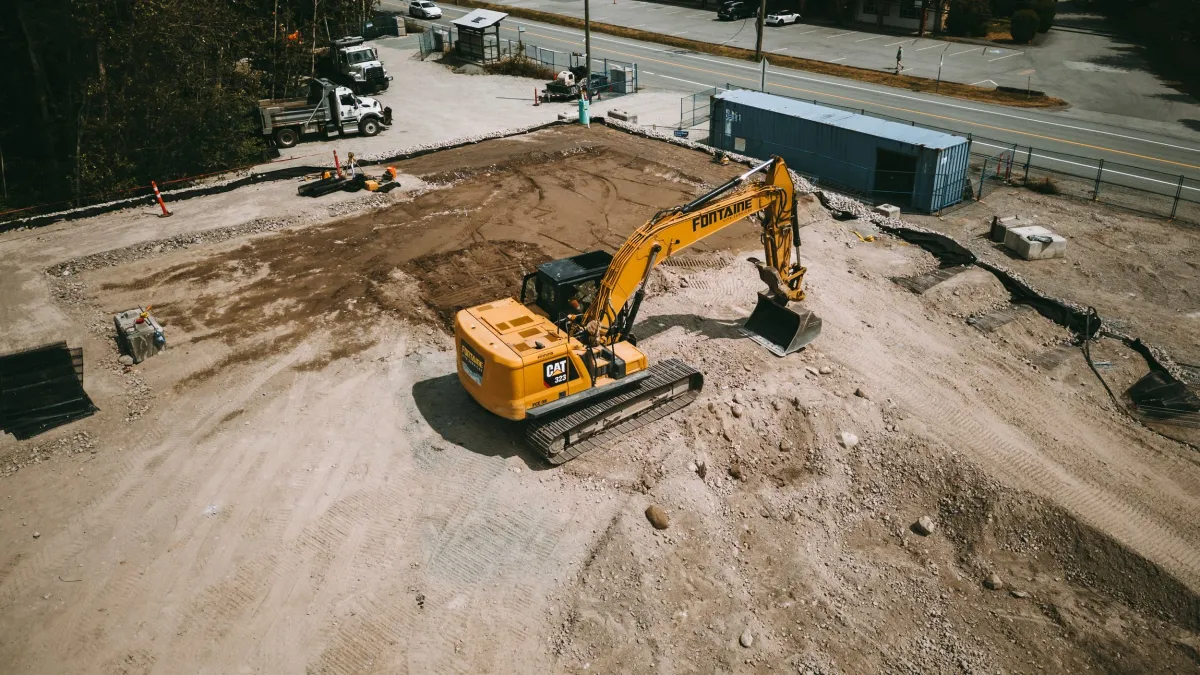
Excavation and earthworks are the ground work that happens before a single bag of concrete is opened. It covers setting out the levels, cutting away the high side of a block, filling and compacting the low side, and trimming the pad so the formwork can go up on a base that will not move under it. Get this stage wrong and no slab, footing or driveway sitting on top of it will stay true.
Almost every concrete job needs some earthworks first. A flat, open suburban lot might only want a shallow cut and a compacted base, while a shed or house slab needs the whole footprint dug to level with the edge beams trenched in. A driveway on a sloping block often needs the ground reshaped so the finished surface drains and sits at a workable grade to the street.
- Pads for shed, garage and house slabs
- Cut and fill on sloping driveway blocks
- Levelling and base prep for paths and patios
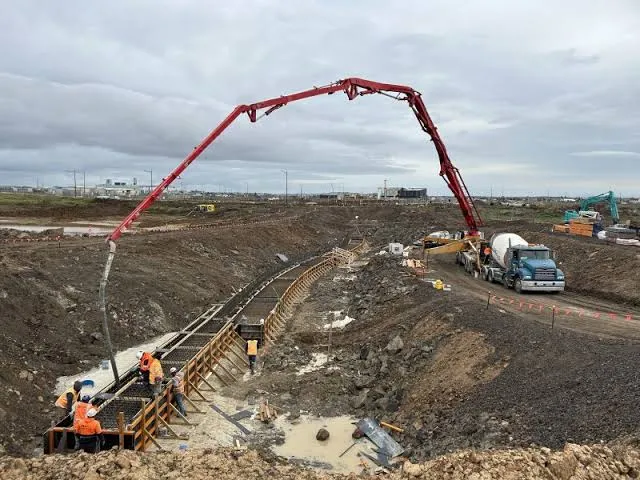
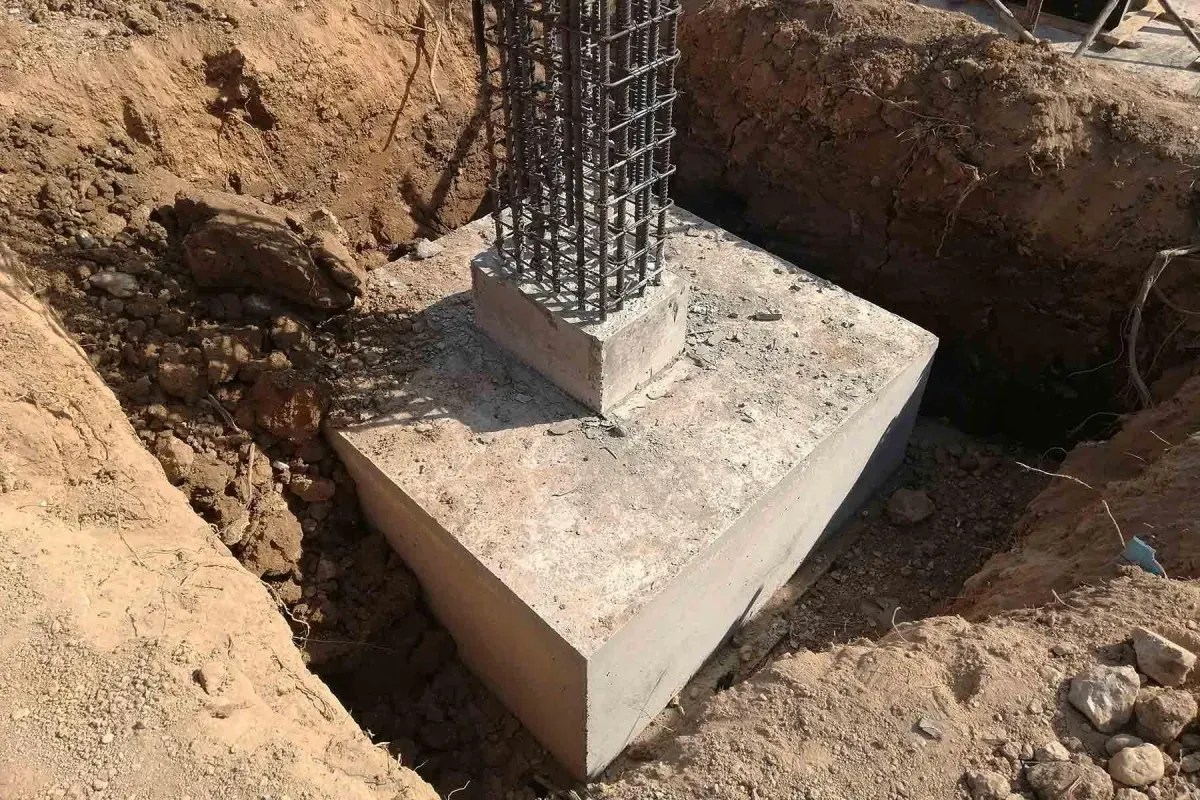
- Trenching for footings and edge beams
- Clearing and stripping topsoil before a pour
How we prepare a site
The value of earthworks is in what you cannot see once the concrete is down. A pad that is set to level and properly compacted is what stops a slab settling and cracking a year or two later, so this is where the care goes in.
Each step is worked to the block, the fall and, on engineered jobs, to the levels the slab design calls for.
- Set out the job and shoot the levels to read the fall across the block
- Strip topsoil and clear roots, rubble or the old surface off the footprint
- Cut the high side down toward the target level for the pad
- Place fill on the low side in layers rather than one deep dump
- Compact each layer so the ground bears evenly and does not settle later
- Trench the edge beams and any footings into the prepared ground
- Trim the pad to final level and check it against the set-out
- Set falls and any drainage so water runs away before the formwork goes up
Ground, rock and reactive clay
Much of Canberra sits on reactive clay that swells when wet and shrinks when dry, so the base under a slab has to be compacted and prepared to suit what goes on top rather than just scraped flat. For a house slab that preparation follows the AS 2870 approach for reactive soils, which is why the earthworks and the slab design are really one job, not two.
What the machine hits also changes the day. Some ACT blocks give up clean clay that cuts and compacts easily, while others turn up rock or old fill that has to be broken out or dug around. We read the ground as we go and tell you if what is under the surface shifts the scope from what the block looked like from the street.
What affects the pricing
The size of the dig is only part of it. What tends to move the price is the slope, what the ground turns up, and how easily a machine can get to work.
The main drivers we quote against are:
- The size of the block and how much of it has to be cut or filled
- How steep the fall is and how much reshaping the slope needs
- Ground conditions, including rock or old buried fill
- Access for a bobcat, excavator or truck to reach the work
- Whether spoil can stay on site or has to be carted off
- Any clearing, tree roots or old surface to strip first
Timeline and what happens next
A straightforward pad on a flat block can be cut, filled and trimmed in a day or two once access is sorted. A steep cut and fill, a rocky block, or a large house footprint takes longer because of the extra digging, the carting and the compaction that each fill layer needs.
Earthworks are the first trade on site, so the schedule usually runs the dig, then formwork and reinforcement, then the pour. We line the ground work up so the block is ready when the concrete is booked, and if we are only doing the excavation for another builder we leave the pad trimmed to level and ready for the next trade.
Getting a base that holds
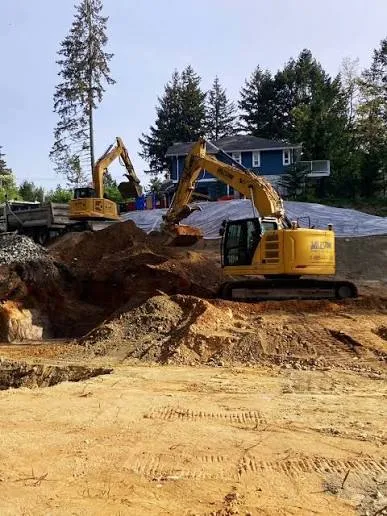
A slab is only ever as stable as the ground it sits on. The difference between a pad that lasts and one that settles is not the machine, it is whether the fill went in as compacted layers, whether the base was cut to a firm bearing, and whether the levels and falls were set before anything was poured.
On sloping blocks through Molonglo Valley, Tuggeranong and the newer estates, that usually means cutting into the high side and building the low side up with properly compacted fill, then setting drainage so winter rain and melt run away from the slab rather than pooling under it. Do the earthworks properly for the soil and the fall and the concrete on top has a base it can rely on. Rush the ground and the cracks turn up later no matter how good the pour was.
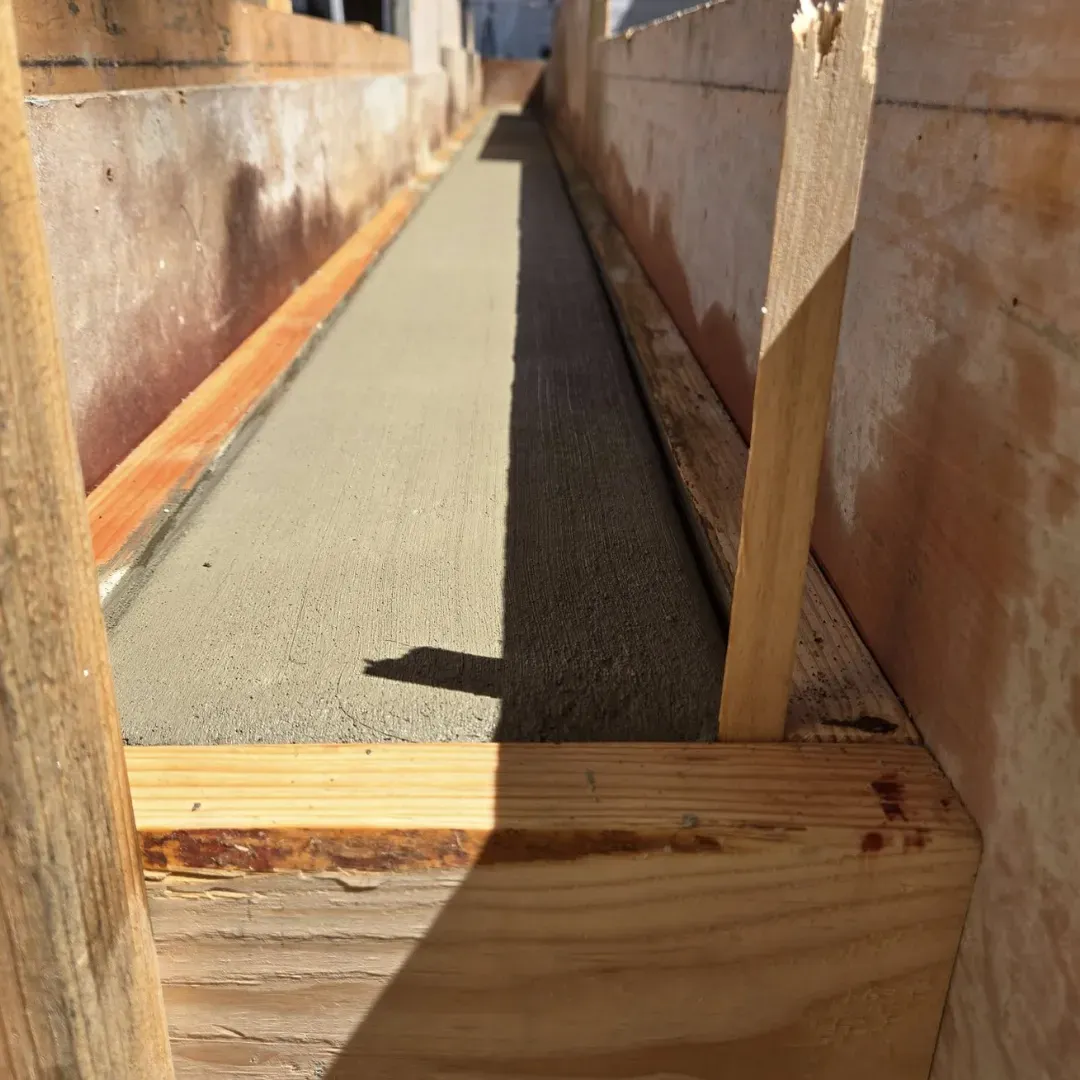
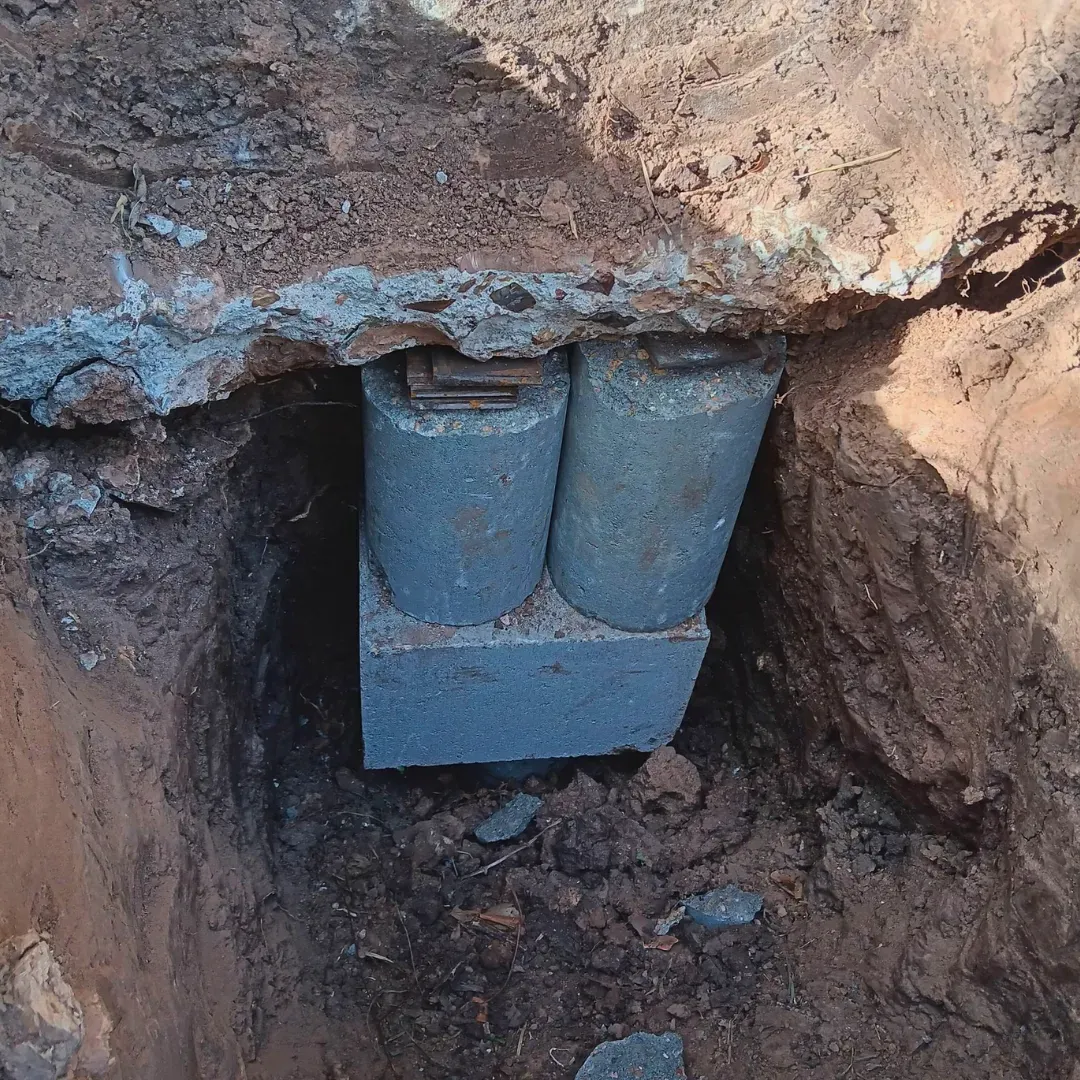
Excavation & Earthworks Projects
Common questions
- What is site excavation?
- Site excavation is the digging, cutting and levelling that prepares a block before concrete or building work: stripping topsoil, cutting to level, trenching for footings and setting the ground so what goes on top sits right. On Canberra's reactive clay and sloping blocks, getting this stage right is what the slab above depends on.
- How much does earthworks cost per m2?
- There is no flat per-square-metre rate, because it depends on how much cut and fill the block needs, whether there is rock, access for machines, and where the spoil goes. We quote earthworks from the actual site rather than a blanket rate.
- What are the three types of excavation?
- In this trade the common ones are topsoil stripping, bulk excavation to bring a site to level, and detailed or trench excavation for footings and services. Most Canberra slab jobs involve a mix of the three depending on the fall of the block.
- Do you do excavation for shed and house slabs?
- Yes. We cut and level the pad, dig footings and prepare the base for shed, garage and house slabs, set to the levels and the soil class the slab design calls for.
- Can you work on a steep or sloping block?
- Yes. A lot of Canberra blocks fall away, and sloping sites need cut and fill, and sometimes retaining, to get a level, stable pad. We plan the earthworks and drainage for the fall of the block before the slab goes in.
Related services
Get a quote for excavation & earthworks in Canberra
Send the job details by form and get a written quote back. Photos help.
Request a quote