Concrete Driveways in Canberra
A driveway is the concrete job most Canberra homeowners ask about, and it is the one where the ground matters most. We form, pour and finish new concrete driveways, and replace failed ones, across the ACT, built for the frosts and the reactive clay that move a driveway that was not made for them.
New driveways and replacements
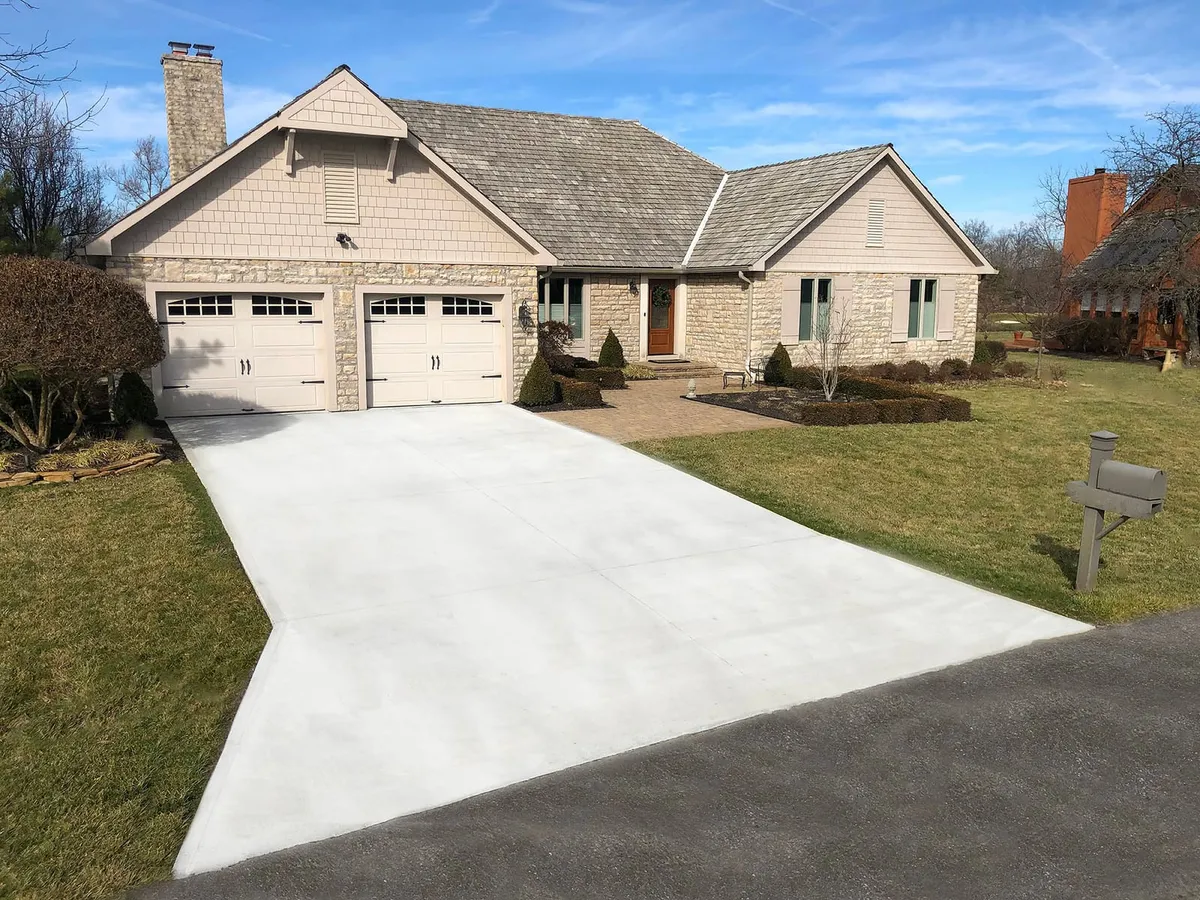
A driveway carries a car every day and sits out in the weather all year, so it is a working surface first and a finish second. We pour new driveways on fresh blocks, replace old ones that have cracked or lifted, and widen or extend a run where a second car or a caravan needs room. Each starts with a look at the block, the fall to the street, and where the water has to go.
Tell us the rough length and width, whether an old surface has to come out first, and what you park on it. That decides the thickness, the reinforcement and the way we set the falls, which matters far more on a driveway than on a path you only walk on.
- New driveways on freshly built blocks
- Replacing cracked or lifted older driveways
- Widening or extending an existing run
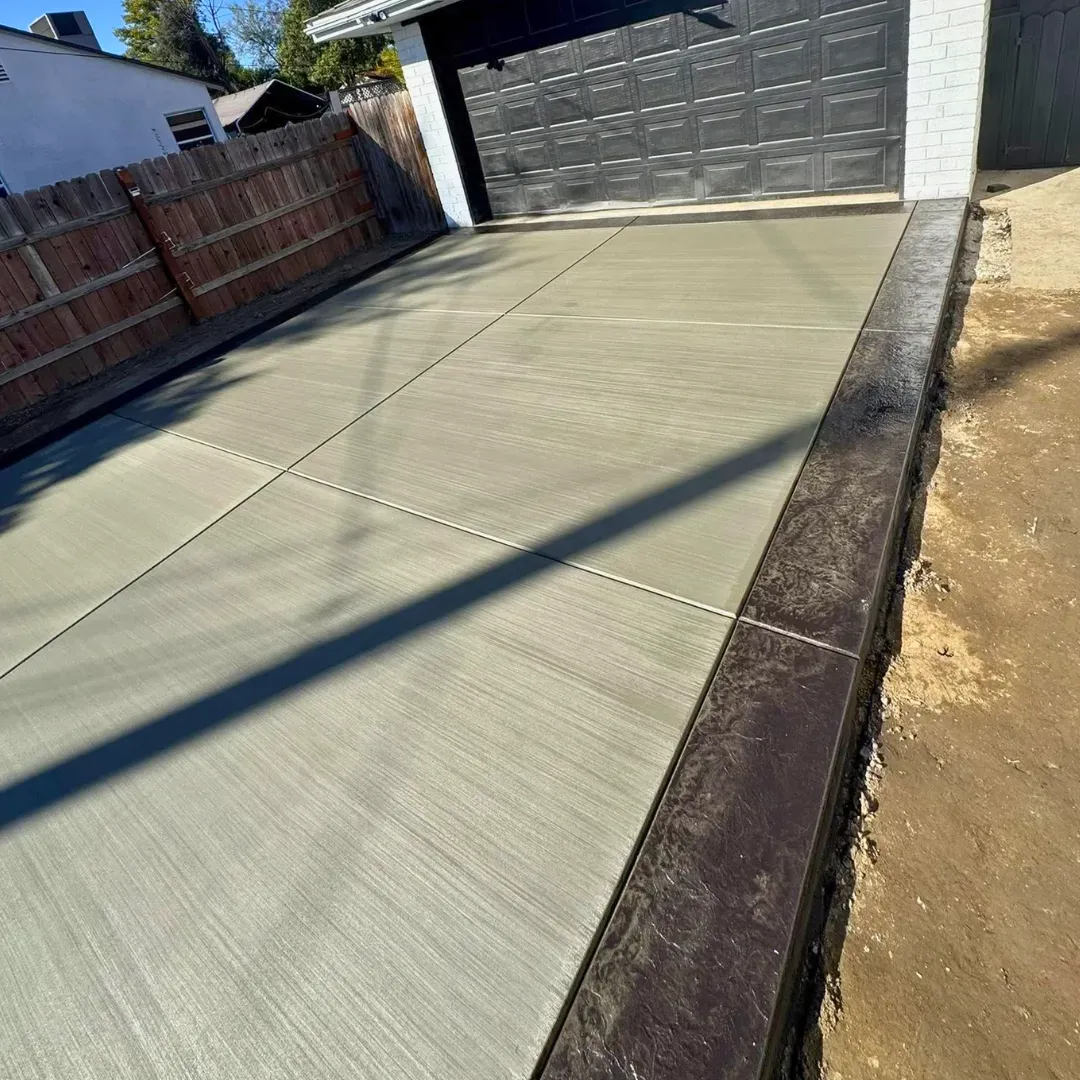
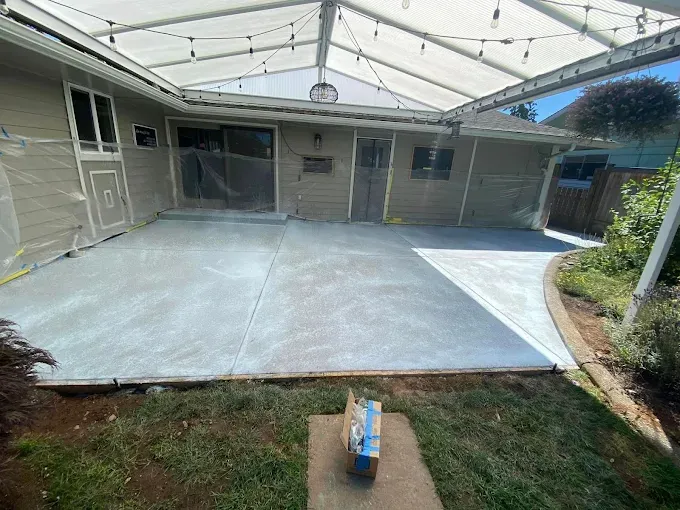
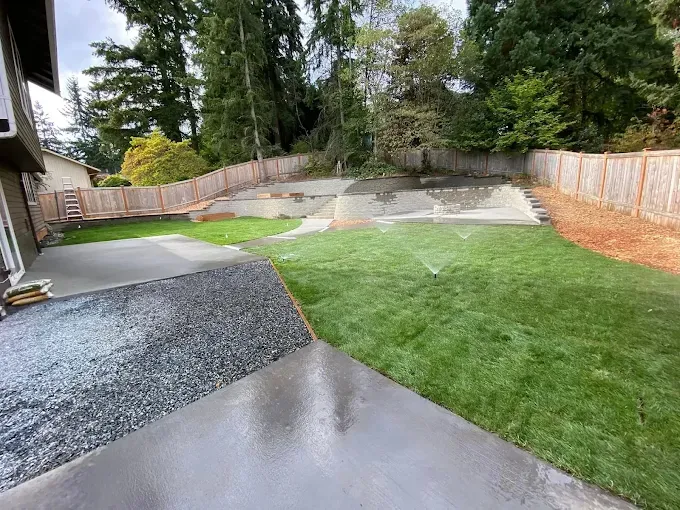
- Plain broom, exposed aggregate or coloured finishes
- The verge crossover where the drive meets the road
How we build a driveway
A driveway lasts or fails on what goes in before the concrete does. The base, the falls and the joints decide whether it still looks sound in ten years, so most of the care goes into the ground and the set-out, not the pour itself.
Every step is set to the size of the run and the load it carries, and to the crossover requirement where the drive meets the road.
- Strip the old surface or clear and cut the ground to level
- Prepare and compact the base so the driveway bears evenly along its length
- Set the formwork and the falls so water runs off to the side or the street, never back toward the house or the garage
- Lay reinforcement to suit the vehicle load, up on bar chairs at the right cover
- Pour to the thickness the load calls for, then screed and float the surface
- Apply the finish you have chosen, whether a broom texture, exposed aggregate or colour
- Cut control joints at planned spacings so the slab cracks on a line, not across the face
- Cure the surface so it gains strength slowly rather than drying out and crazing
Finish, thickness and the base underneath
A driveway is poured thicker than a path because it takes vehicle load, and it is reinforced so the concrete and the steel work together as the ground moves. Much of Canberra sits on reactive clay that swells when wet and shrinks when dry, and a driveway laid straight onto that without a proper compacted base is the one that steps and cracks at the joints a couple of winters later.
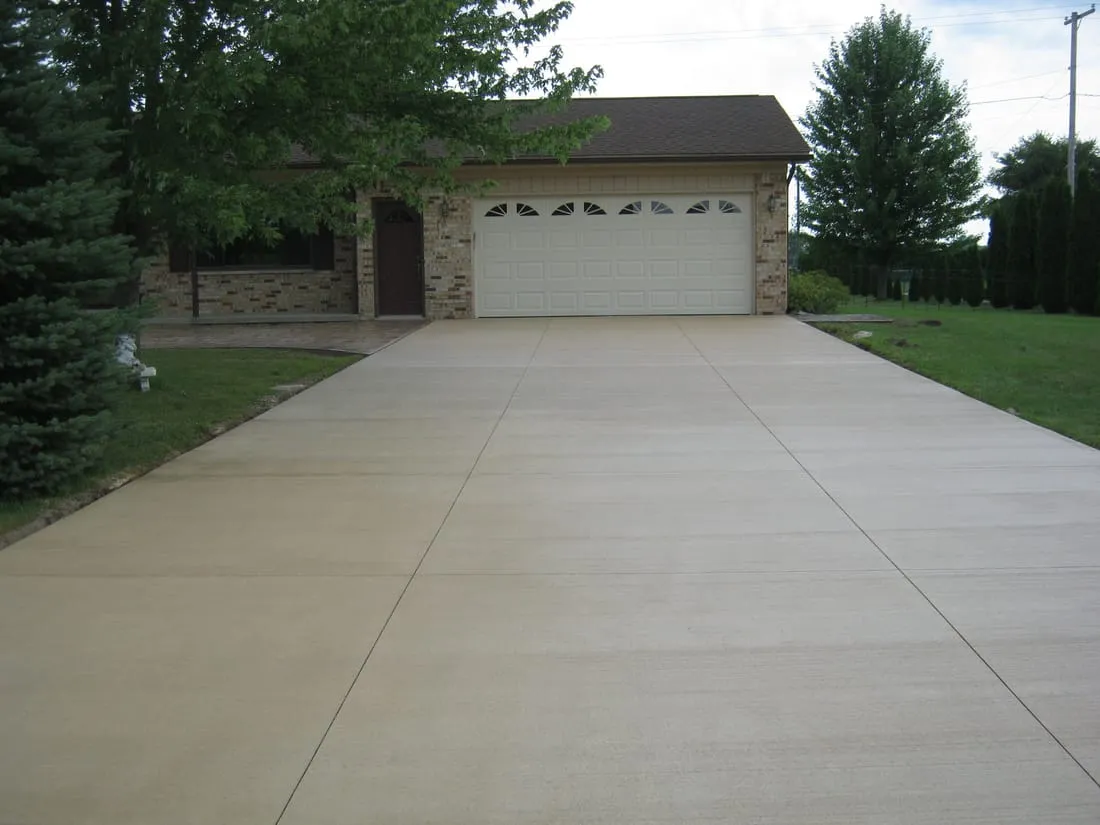
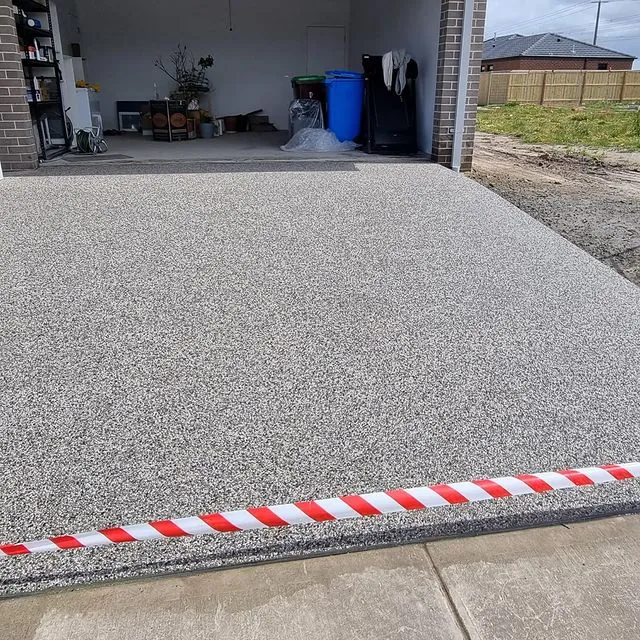
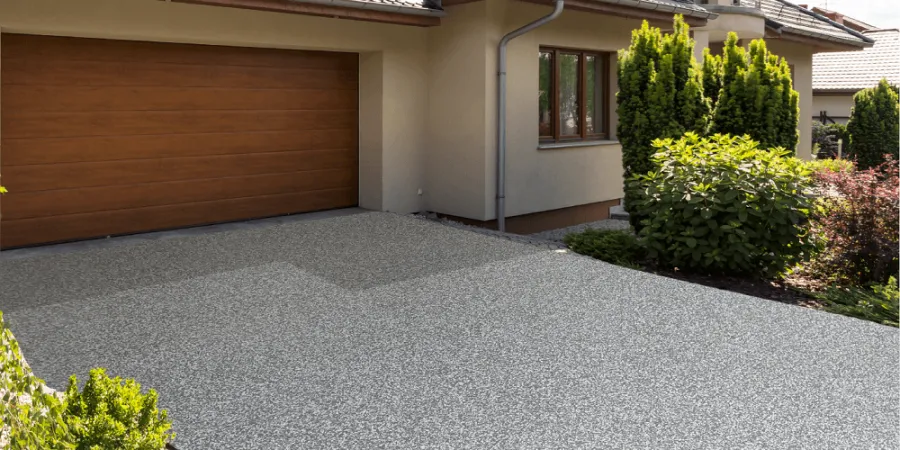
The finish sits on top of that structure and is where most of the choice happens. A broom finish is the plainest and grippiest, exposed aggregate shows the stone and hides marks and tyre scuffs, and coloured concrete matches the drive to the house. Whatever the look, the base preparation and the control joints under it are what keep it sound, so we never trade those away to fund the finish.
What affects the pricing
The concrete is rarely the biggest line on a driveway. What moves the price is the finish, the prep and how hard the block is to work.
The main drivers we quote against are:
- Area of the driveway in square metres
- The finish chosen, from a plain broom to exposed aggregate or colour
- How much old driveway or surface has to be broken out and carted away first
- Site access for a concrete truck or a pump on a tight or steep block
- The base prep the reactive clay and the fall of the block call for
- Any crossover work where the drive meets the verge and the road
Timeline and curing
A straightforward domestic driveway is usually a few days once access and levels are sorted: strip and prep, form up and pour, then finish and cure. A steep or tight block, or one where an old drive has to come out first, adds time to the front of the job before any concrete arrives.
Concrete keeps gaining strength for weeks, so it is firm enough to walk on within a day or so, but you should keep the car off a new driveway for around a week, and longer in a cold Canberra winter when the frost slows the cure right down. We tell you when it is safe to drive on for your specific pour, because driving on it too early is a common cause of early cracking.
What makes a driveway last
Every driveway moves as the concrete cures and as the clay beneath it takes up and gives off moisture through the seasons. A good one controls that movement instead of pretending it will not happen, which is why the control joints are cut to planned lines and the falls are set so water drains away rather than pooling against the edge and softening the ground under it.
You see the older ACT driveways that missed this: thin, unreinforced slabs from decades back, stepped and cracked at the joints after years of frost and clay movement. A driveway built to last comes down to a compacted base, the right thickness and reinforcement for the load, joints cut at the right spacing, and a proper cure. Get those right for the ground and the frost and the drive stays sound. Skip them and no finish on top will save it.
Concrete Driveways Projects
Common questions
- How much does a concrete driveway cost in Australia?
- There is no flat rate, because the price is set by the size, the finish and how much prep the block needs. A plain broom finish costs less than exposed aggregate or coloured concrete, and a steep or tight Canberra block takes more forming than a flat one. We quote from the measurements and photos you send so you get a real number for your job.
- How much should a 50m2 concrete driveway cost?
- It depends on the finish and the ground more than the area alone. Two 50 square metre driveways can price differently once you factor in the finish chosen, how much old surface has to come out, the fall of the block and the crossover to the road. Send the details and we quote it properly rather than quoting a rate per metre blind.
- Is it cheaper to do gravel or concrete driveway?
- Gravel is cheaper to lay, but it needs topping up and washes out on a slope, which is common on Canberra blocks. Concrete costs more up front and then lasts for decades with almost no upkeep, which is why most driveways here end up concrete.
- What type of concrete is best for a driveway?
- A properly reinforced slab poured to the right thickness for vehicle load on a well prepared, compacted base. In Canberra the base and the control joints matter as much as the mix, because reactive clay and frost move a driveway that was not built for them.
- Is paving or concrete cheaper in Australia?
- Pavers are similar to or dearer than concrete once you include the base and the labour to lay them, and the joints can move and weed up over time. A poured driveway is one continuous, low-maintenance surface, so for most Canberra driveways concrete works out better value over its life.
Related services
Get a quote for concrete driveways in Canberra
Send the job details by form and get a written quote back. Photos help.
Request a quote