Decorative Concrete in Canberra
When the concrete is on show, the finish is the point. Exposed aggregate, stencil, stamped and coloured concrete give a driveway, path or entertaining area a look beyond plain grey, poured as one solid surface. Tell us what the area is and the style you are after, and we will pour and finish it to suit your home and the Canberra ground it sits on.
The decorative finishes and where they suit
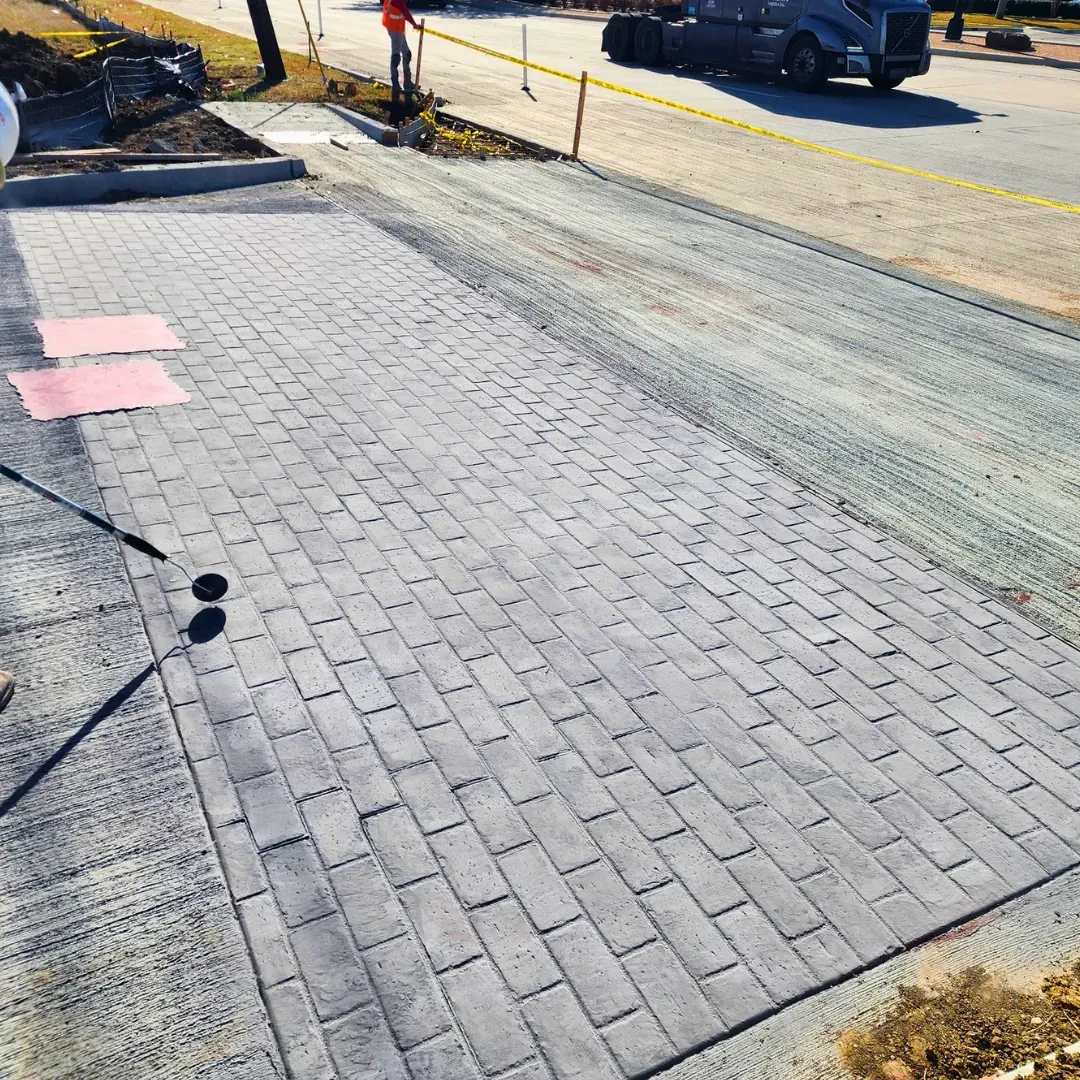
Decorative concrete is not one product but a family of finishes, and the right one depends on where it goes and how it will be walked or driven on. Exposed aggregate washes the top paste back to reveal the stone, which gives a textured, grippy surface that hides marks and suits driveways and paths. Stencil lays a paper pattern into the wet pour so the finish reads like brick, tile or cobble across a flat surface. Stamped concrete presses a textured mat into the surface for a moulded stone or timber look, and coloured concrete carries a tone right through the pour or across the top for a plain but softer alternative to grey.
Front driveways, entry paths, alfresco and pool surrounds are where most of this work goes, because they are the parts of a property people actually see. Tell us the area, roughly how it is used, and the style you like, and we will point you to the finish that holds up to that use rather than only the one that photographs well.
- Exposed aggregate driveways and paths
- Stencilled paths, patios and courtyards
- Stamped alfresco and pool surrounds
- Coloured concrete entries and feature areas
How we pour a decorative surface
A decorative finish is still a real slab underneath, so the ground work comes first and the look goes on last. The decorative step is the one with the shortest window, because exposed aggregate has to be washed back and stamps pressed while the concrete is at exactly the right stiffness, so timing on the day matters as much as the pattern you picked.
The steps below are set to the area, the use and the finish you have chosen for the job.
- Set out the area and check falls so water runs away, not toward the house
- Prepare and compact the base, then form up to line and level
- Place mesh or bar reinforcement on chairs at the right cover
- Add oxide colour to the mix or dust it across the surface for the chosen tone
- Pour, screed and float the slab to a workable surface
- Seed the aggregate, lay the stencil, or press the stamp while the concrete is still at the right stiffness
- Wash back the exposed aggregate, lift the stencil, or detail the stamped joints
- Cut control joints, cure the slab, then seal the finish once it has dried
Colour, aggregate and the base underneath
The look comes from choices made before the truck arrives. Oxide colour can be mixed through the whole pour or dusted across the top, and the aggregate blend, the size and colour of the stone in an exposed finish, sets the character more than anything else. A warm brown stone reads very differently to a charcoal or a mixed granite, so it is worth looking at a sample against your home before we commit the pour.
None of that changes what happens below the surface. Much of Canberra sits on reactive clay that swells and shrinks with the seasons, so a decorative driveway or path still needs a properly prepared base, reinforcement and control joints, all designed to the site under AS 2870 the same way a plain slab is. A beautiful finish over a poorly built base cracks just as fast as any other slab, so the decorative layer is the last decision, not the first.
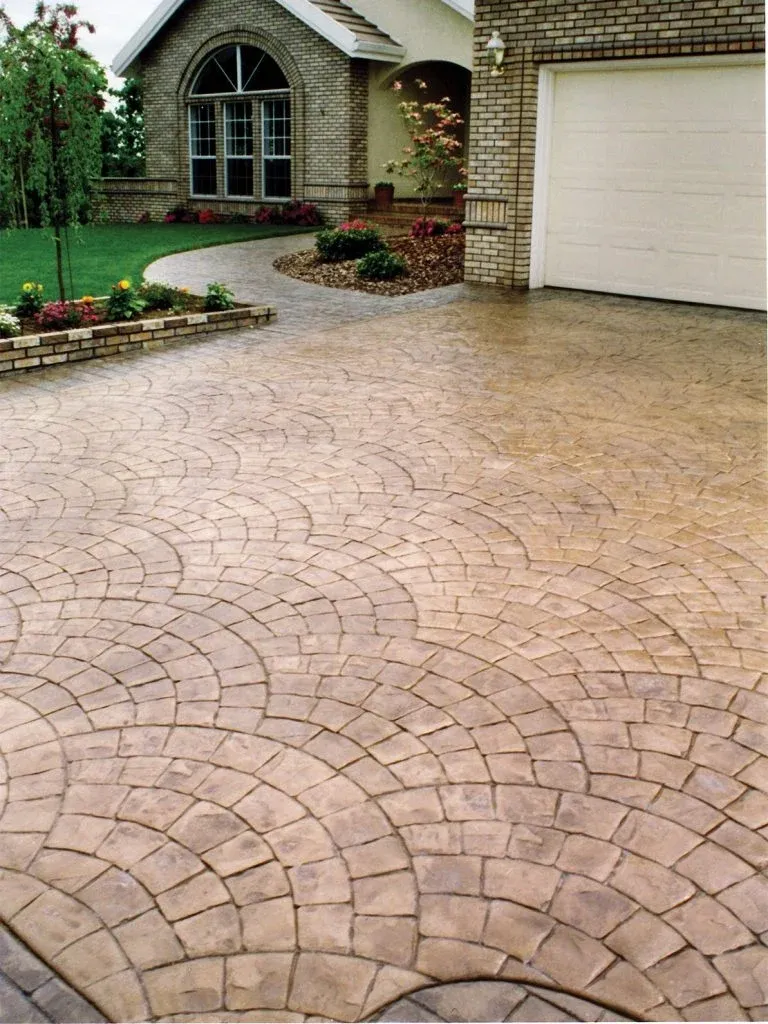
What affects the pricing
The finish is the biggest lever on a decorative job, because the labour and materials vary a lot between a single-colour pour and a washed or stamped surface. The rest follows the same drivers as any pour.
The main things we quote against are:
- The finish itself: exposed aggregate and stamped work cost more than a plain coloured pour
- Area in square metres and how complex the pattern or colour layout is
- Base preparation and reinforcement the reactive clay calls for
- How much old surface has to come out first
- Site access for a truck or a pump on a tight or established block
- Sealing, and resealing later, to keep the colour and protect the finish
Timeline and curing
A typical decorative driveway or patio is a few days of work once access and levels are sorted: prepare and form up, pour and apply the finish on the same day, then cut joints, cure and come back to seal. The pour day is the busy one because the decorative step and the wash-back or stamping all happen in one window while the concrete is workable.
Canberra weather shapes the timing more than most people expect. A cold, frosty winter pour cures slowly and the surface has to be protected from frost, while a hot, dry summer day can pull moisture out too fast and craze the finish if it is not cured properly. The concrete is usually firm enough to walk on the next day, but we hold off sealing until it has dried out enough for the sealer to hold, and we will tell you when it is safe to drive on for your specific pour.
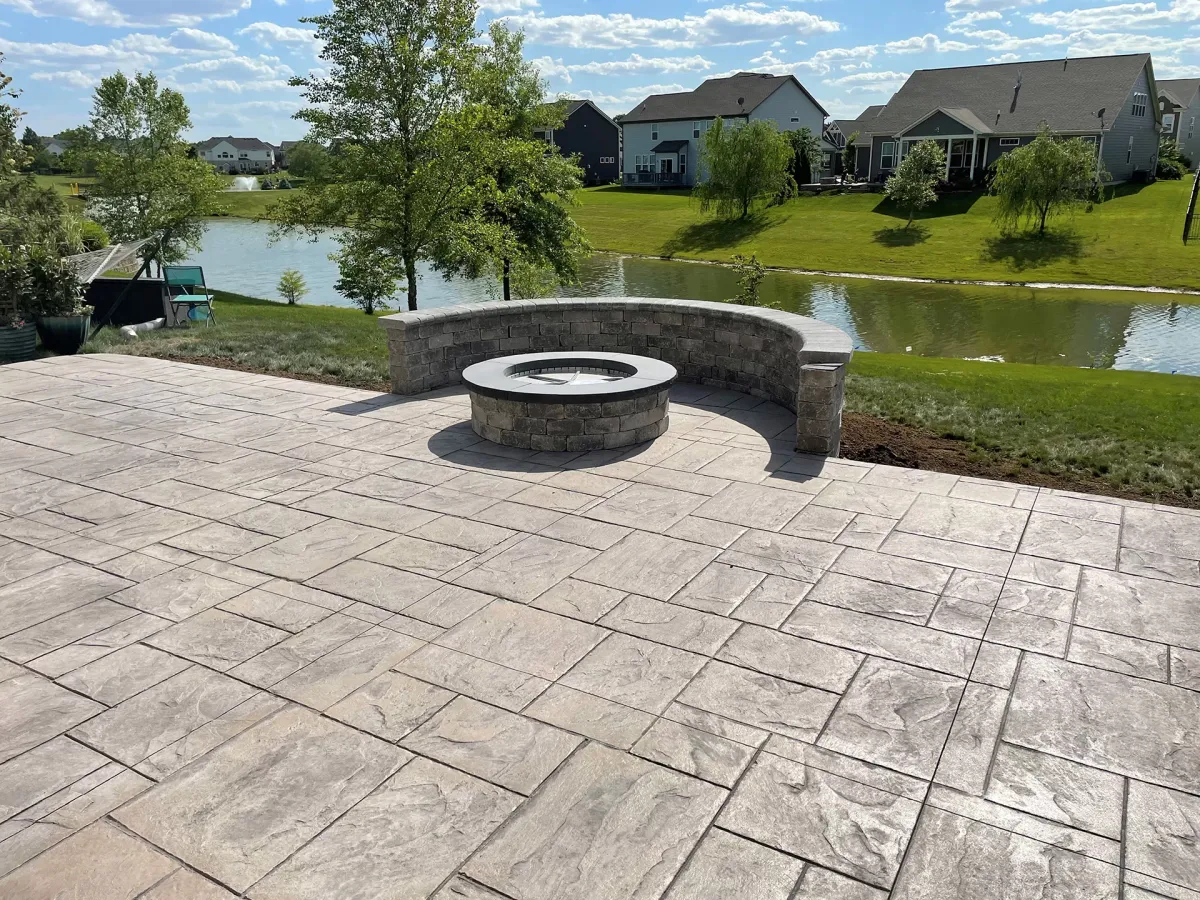
Keeping a decorative finish looking good
A decorative surface lasts on the same terms as any slab: a compacted base, reinforcement at the right cover, control joints cut where the concrete is meant to move, and a proper cure through Canberra's frost and clay movement. Get those right and the finish rides out the seasons instead of cracking across the face in the first year.
The finish itself asks for a little upkeep the plain grey does not. Sealer is what carries the colour and keeps stains and frost out of the surface, and it wears off over a few years, so exposed aggregate and coloured work want resealing periodically to stay looking sharp. We seal the finish when we lay it and tell you honestly how often it will want doing again, so the driveway that looks good on the pour day still looks good years on.
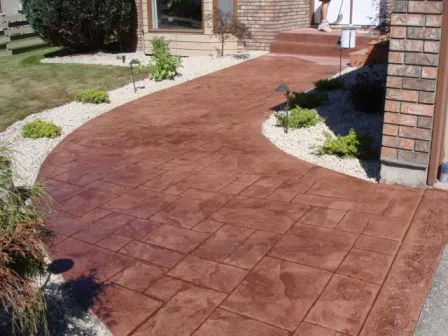
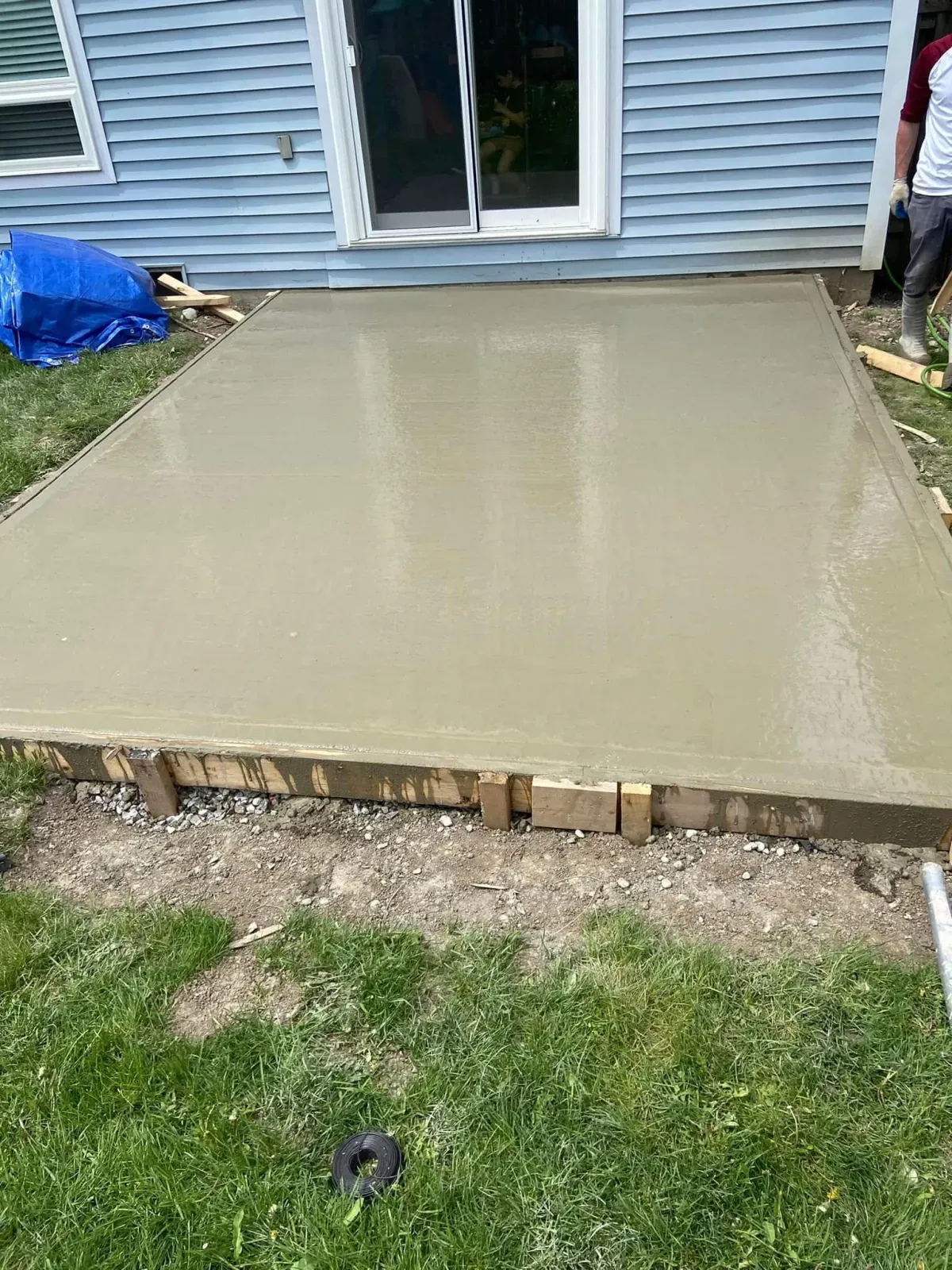
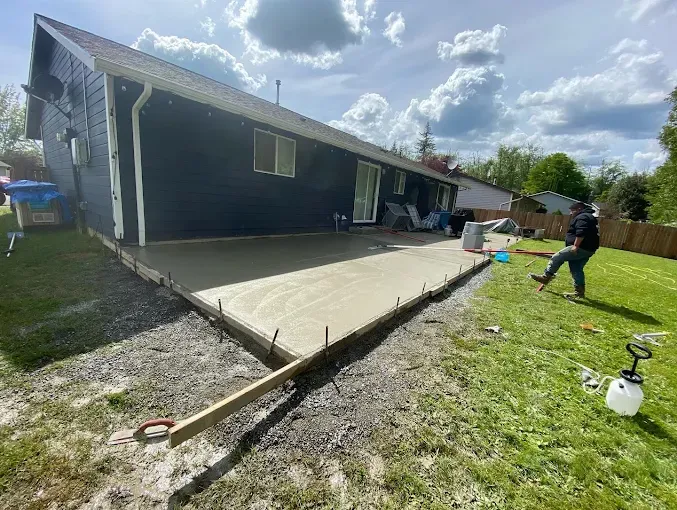
Decorative Concrete Projects
Common questions
- What are the different types of decorative concrete?
- The common ones we do are exposed aggregate, coloured concrete, stencil and spray-on finishes, and polished concrete. Each suits different jobs, so the right choice depends on where it is going and how it needs to wear.
- What is decorative concrete called?
- It goes by the finish: exposed aggregate, coloured or oxide concrete, stencilled or stamped concrete, and polished concrete. They are all structural concrete with a decorative surface treatment rather than a different material.
- Can you put decorative concrete over existing concrete?
- Yes, decorative overlays and spray-on finishes can go over existing concrete when the slab is sound and prepared properly. If the slab is cracked or moving, we deal with that first, because a finish over a failing slab will not last.
- What are the downsides of exposed aggregate concrete?
- It is harder underfoot and can hold a little more dirt in the texture than a smooth finish, and a poor mix or seal shows over time. Done properly it hides marks and tyre scuffs well and wears very hard, which is why it is popular for Canberra driveways.
- Does decorative concrete hold up to Canberra winters?
- Yes, when it is laid on a proper base with control joints and sealed correctly. The decorative finish sits on structural concrete, so the same base preparation and jointing that get any Canberra slab through frost and clay movement protect the finish too.
Related services
Get a quote for decorative concrete in Canberra
Send the job details by form and get a written quote back. Photos help.
Request a quote